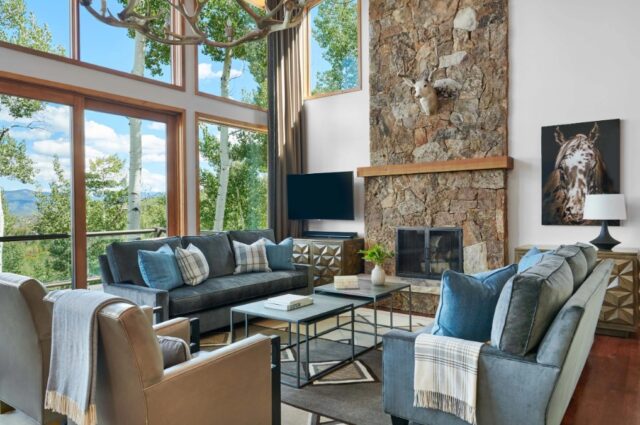
When people talk about high-end transitional spaces, they often focus on how they look. What matters more is how they are put together. This style sits between traditional and modern design, but it is not about splitting the difference. It is about making decisions that feel resolved.
At its core, transitional design blends classic structure with modern simplicity in a way that stays relevant over time. That sounds simple, but in practice it requires discipline. Every choice has to support balance.
What follows is not a list of trends. It is a way to think through the process so the space feels intentional, not assembled.
Why High-End Transitional Design Requires More Discipline Than It Seems
This style looks relaxed, but it is not casual in execution. The more minimal the visual noise, the more every detail stands out.
When working on a luxury interior renovation, the challenge is rarely finding good materials or furniture. Ar Studio designs claim that transitional interiors depend on proportion, texture, and consistency rather than bold statements.
If something feels slightly off, it becomes obvious. You need to know what the room is trying to do before you start layering anything into it.
Start With Structure Before Thinking About Style
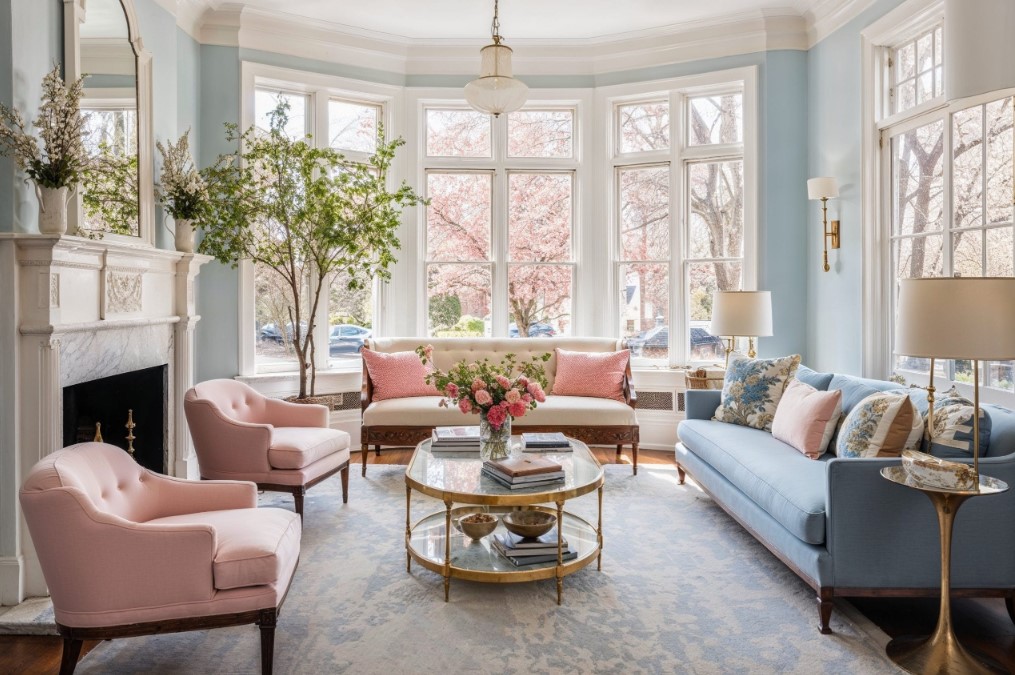
Most people begin with furniture or finishes. That usually leads to a space that feels disconnected. Start with structure instead.
Think about how the room is used, how people move through it, and where attention naturally goes. Transitional spaces work because they feel calm and readable. That comes from layout first, not decoration.
A few practical considerations that matter more than they seem:
- circulation paths should feel effortless
- focal points should be clear but not dominant
- furniture should support conversation and movement
- spacing between pieces should feel consistent
This is not about rules. It is about avoiding friction. When the structure works, everything else becomes easier to resolve.
Materials Matter More Than Color
People often associate transitional interiors with neutral palettes. That is true, but it misses the point. The real interest comes from materials, not color.
These spaces rely on layering materials like wood, stone, metal, and textiles to create depth without relying on contrast.
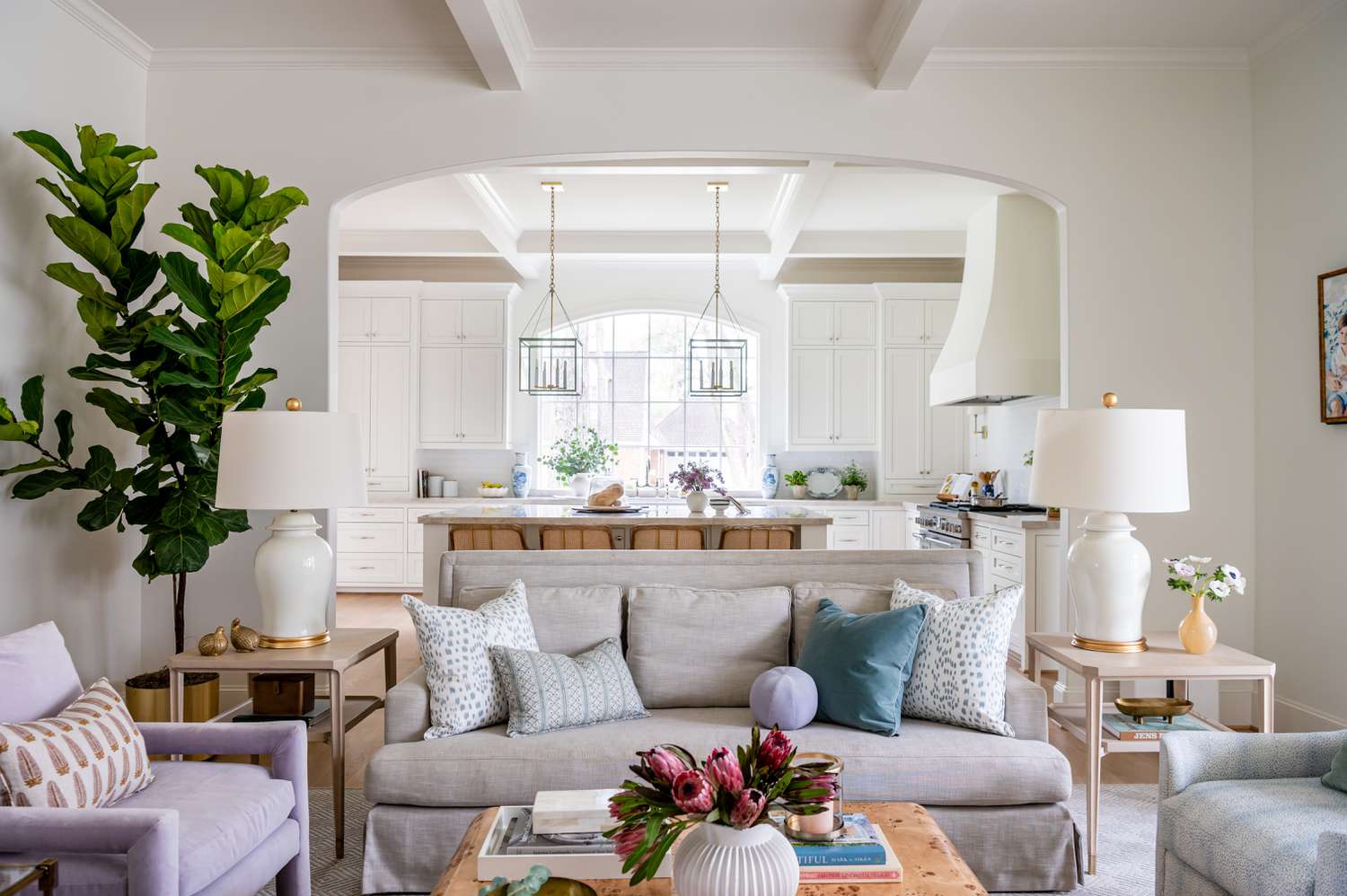
Here is a simple way to think about it:
| Element | What to Aim For | What to Avoid |
| Wood | Natural tones with visible grain | Overly polished finishes |
| Stone | Subtle veining or texture | Busy, high-contrast patterns |
| Metal | Warm, muted finishes | Highly reflective surfaces |
| Textiles | Layered and tactile | Flat, uniform fabrics |
After setting this foundation, the room starts to feel complete even before styling. That is usually a good sign you are on the right track.
The Role of Lighting Is Often Underestimated
Lighting is where many otherwise well-designed spaces fall apart. In transitional design, it is not just functional. It shapes how everything else is perceived.
Layered lighting is essential. Relying on one central source flattens the space and removes depth. Designers consistently point out that combining ambient, task, and accent lighting creates a more livable environment.
Good lighting should support how the space is used at different times of day, not just make it visible.
A balanced lighting approach typically includes:
- soft ambient light for general use
- focused lighting for specific tasks
- lower, warmer sources for evening use
This layering adds dimension without adding clutter, which is exactly what transitional design needs.
Furniture Should Feel Related, Not Matched
One of the biggest misconceptions is that transitional design means mixing styles freely. That only works when there is a clear relationship between pieces.
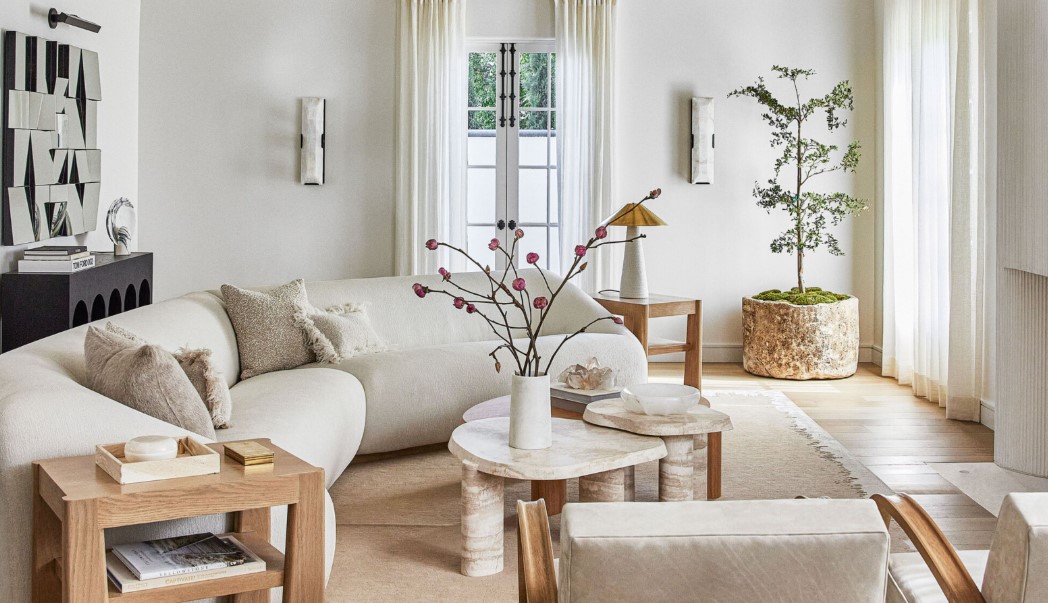
Furniture in these spaces often combines clean lines with softer forms, creating a subtle balance between traditional and modern elements.
Instead of thinking in terms of styles, focus on consistency:
- similar scale across pieces
- repeating shapes or lines
- aligned visual weight
For example, if one piece has strong curves, another element in the room should echo that. Not exactly, but enough to create continuity.
This is what keeps the space from feeling random.
Editing Is What Creates a High-End Result
Adding elements is easy. Removing them is where the work happens.
High-end transitional spaces feel intentional because they are edited. Accessories are used sparingly, and each one has a role.
Designers often emphasize that restraint is what allows materials and proportions to stand out. Without that restraint, the space becomes visually crowded.
A useful way to evaluate a room is simple:
- if you remove an item and nothing changes, it was not needed
- if something draws attention without supporting the whole, it is misplaced
This process takes time, but it is what separates a finished space from one that just looks complete.
Texture Is What Prevents the Space From Feeling Flat
When color is muted, texture becomes the main tool for creating interest. Without it, the space can feel unfinished.
Layering texture is not about adding more items. It is about combining different surfaces so the room has depth.
This can include:
- upholstered furniture with varied fabrics
- contrast between matte and smooth finishes
- subtle differences in material weight
Transitional interiors rely heavily on this approach because they avoid strong patterns. Texture replaces visual noise with something more controlled and lasting.
Cohesion Across the Entire Space
One room can work on its own, but high-end design considers the whole home. Transitional spaces are especially sensitive to this.
Because the style is subtle, inconsistencies between rooms become noticeable. Materials, tones, and proportions should feel connected, even if each room serves a different purpose.
This does not mean everything has to match. It means nothing should feel out of place.
Consistency creates flow, and flow is what makes a home feel considered rather than assembled.
Bringing It All Together
Designing a high-end transitional space is less about creativity and more about judgment. The decisions are not dramatic, but they add up.
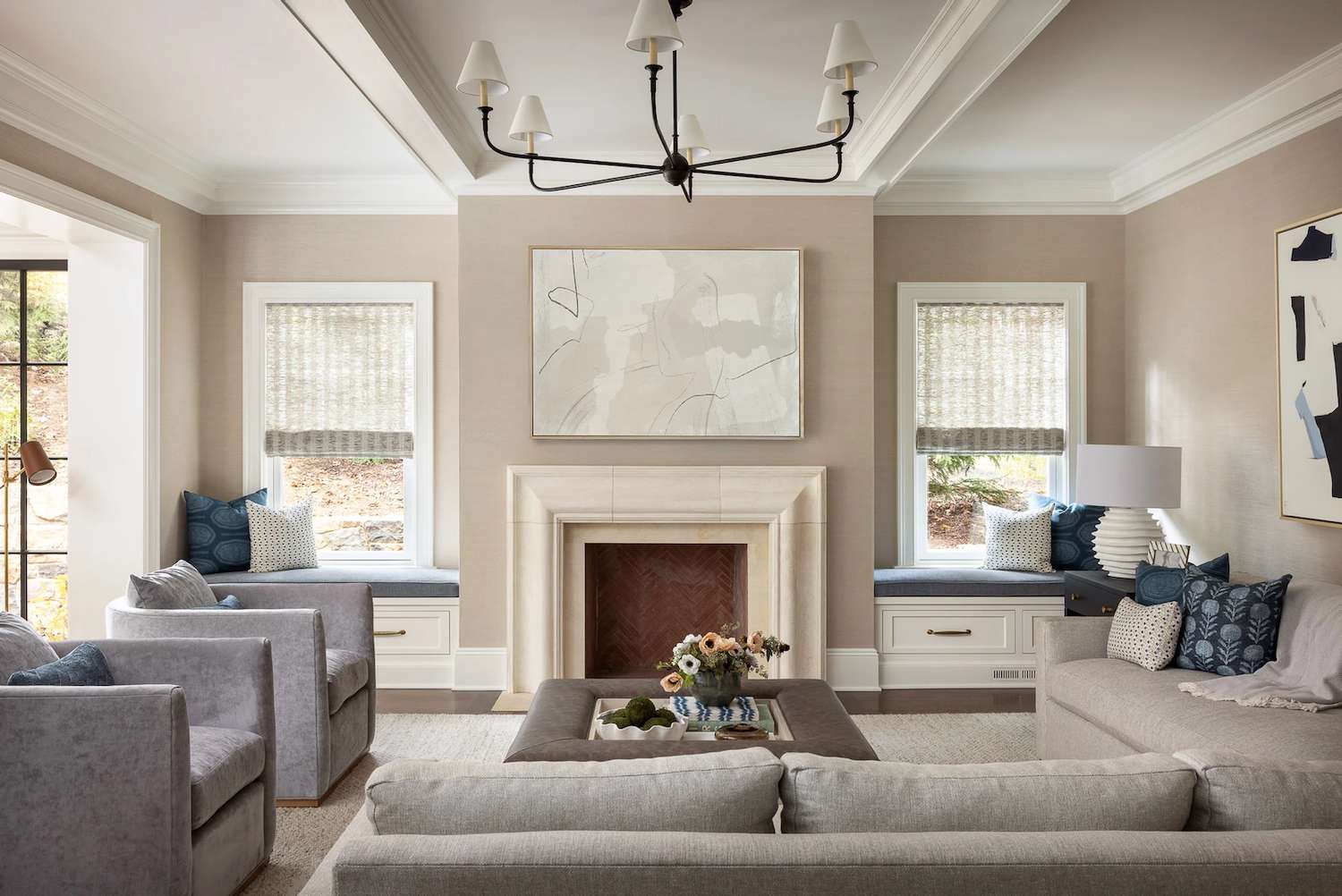
Focus on structure first. Let materials carry the visual weight. Use lighting to shape the atmosphere. Choose furniture that relates, not competes. Then edit until the room feels settled.
This style works because it avoids extremes. It does not rely on trends, and it does not try to impress at first glance. Instead, it holds up over time.
If the space feels calm, balanced, and easy to live in, you are probably closer than you think.