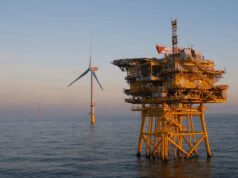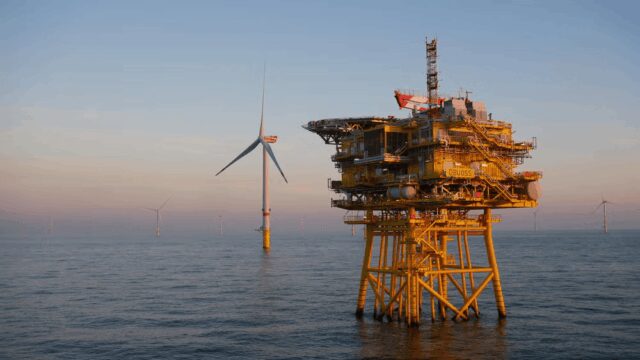
Modern infrastructure runs on electronics. From offshore energy platforms to automated factories and military communication systems, sensitive electrical equipment sits at the heart of countless operations. But these systems often operate in environments that are anything but friendly, saltwater corrosion, extreme temperatures, vibration, dust, and heavy rainfall all threaten the reliability of the hardware that keeps industries moving.
This is where rugged engineering solutions become essential. One company that has built its reputation on protecting vital equipment in harsh conditions is SLAYSON®, a manufacturer known globally for its submersible electrical enclosures designed to safeguard electronics in the most demanding environments.
Although enclosure systems rarely make headlines, they play a quiet yet critical role in ensuring that everything from power grids to naval systems continues to operate without interruption.
The Invisible Backbone of Modern Industry
In many industries, reliability is everything. A single malfunction in an electrical control system can halt production lines, disrupt infrastructure networks, or compromise safety systems.
Electrical enclosures are the protective housings that shield sensitive components such as circuit boards, control panels, batteries, and communication hardware. Their job is simple in theory: keep water, dust, corrosion, and physical damage away from delicate electronics.
But in practice, the environments these enclosures must survive can be extremely demanding. Oil rigs face corrosive seawater and high-pressure environments. Mining equipment operates in dust-filled, vibration-heavy conditions. Infrastructure systems often sit outdoors for decades, exposed to storms, temperature swings, and humidity.
To perform reliably under these conditions, enclosures must meet strict protection standards such as NEMA 6, NEMA 6P, IP67, and IP68, which define the ability of equipment to withstand water immersion, dust ingress, and environmental hazards.
Companies like SLAYSON have focused their engineering expertise on meeting, and often exceeding these standards.
Engineering Protection – What Makes SLAYSON Unique
At its core, SLAYSON designs and manufactures rugged enclosures that protect mission-critical electrical equipment. The company specializes in submersible enclosures capable of protecting electronics from water intrusion, corrosion, and environmental stress.
These enclosures are built using materials such as stainless steel, aluminum, brass, and polyurethane, each selected for specific durability characteristics depending on the application.
But protection is only part of the story.
The company also focuses heavily on engineering flexibility. Enclosures are available in a wide range of sizes, materials, and configurations, allowing engineers to match the design to the exact needs of a project.
For example, SLAYSON manufactures both standard and custom enclosure systems, enabling companies to adapt solutions for specific environmental challenges.
This combination of durability and customization has helped the brand build a strong presence across multiple sectors.
Built for the Harshest Environments
Perhaps the most striking feature of SLAYSON products is their ability to operate in environments where ordinary equipment would fail quickly.
Certain enclosure models are designed for submersion depths of up to 15 feet (about 5 meters), while specialized subsea designs can withstand depths approaching 100 meters.
These capabilities make the technology suitable for industries such as:
- Offshore energy and oil platforms
- Maritime systems and ship infrastructure
- Industrial automation
- Utility and water treatment facilities
- Transportation infrastructure
- Defense and naval platforms
Each of these sectors faces unique environmental risks that require robust protective solutions.
In wastewater treatment facilities, for example, electrical equipment must withstand continuous exposure to moisture and corrosive chemicals. In offshore wind farms, enclosures must resist salt spray, high winds, and temperature fluctuations.
Reliable enclosure design helps prevent equipment failure, reduces maintenance costs, and ensures operational continuity.
Protection Beyond Water and Dust
When people think about environmental protection for electronics, they usually imagine waterproof housings. But in many industrial applications, the threats go far beyond rain or splashes.
Equipment may also be exposed to:
- Electromagnetic interference (EMI)
- Radio-frequency interference (RFI)
- Mechanical vibration
- Salt corrosion
- Extreme temperatures
SLAYSON enclosures are engineered to withstand these stresses through extensive testing procedures that evaluate resistance to liquid ingress, dust exposure, thermal cycling, corrosion, vibration, and electromagnetic interference.
These tests ensure that the protective housing performs reliably in environments where failure could be costly, or even dangerous.
Supporting Critical Defense Systems
Among the most demanding applications for industrial enclosures are military and naval systems.
Defense technology often operates in harsh marine environments where saltwater corrosion, vibration, and electromagnetic interference are constant challenges.
SLAYSON’s enclosure systems have been used in naval applications where communication, surveillance, and control systems must remain protected even in extreme conditions.
These systems are engineered to withstand unique threats such as underwater shock events, radar interference, and exposure to corrosive marine environments.
While such applications represent only part of the company’s market, they highlight the level of engineering required to meet the most demanding industrial standards.
A Global Manufacturing Presence
In today’s interconnected world, global manufacturing networks are essential for companies serving international industries.
SLAYSON operates across multiple regions, with facilities and sales offices spanning North America, Europe, and Asia-Pacific.
This distributed model provides several advantages:
- Faster delivery times
- Reduced shipping costs
- Regional manufacturing capabilities
- Closer collaboration with local clients
For industries working on tight project schedules, such as infrastructure construction or energy development, shorter lead times can make a significant difference.
Custom Engineering for Specialized Applications
While standard enclosure models can meet many industry needs, complex projects often require tailored engineering solutions.
SLAYSON offers both modified off-the-shelf designs and fully custom enclosures.
Customization options may include:
- Specialized mounting configurations
- Viewing windows or inspection ports
- Hinged lids or access panels
- Integrated cable entry systems
- Additional shielding for electromagnetic protection
These adaptations allow engineers to integrate enclosure systems directly into their operational environments without compromising safety or functionality.
In industries where infrastructure must operate for decades, investing in the right protective housing can significantly extend equipment life and reduce maintenance costs.
Quality Standards and Certification
In industrial manufacturing, quality assurance is essential. Equipment failures can have cascading consequences across complex systems.
SLAYSON emphasizes rigorous manufacturing processes aligned with ISO 9001:2015, an internationally recognized quality management standard.
Products are tested against recognized protection ratings such as NEMA and IP classifications to verify their ability to withstand environmental hazards.
These standards provide engineers and project managers with confidence that the equipment they install will perform reliably under demanding conditions.
Why Enclosures Matter More Than Ever
As industries become increasingly digitized, the importance of protecting electrical hardware continues to grow.
Modern infrastructure relies on sensors, automated control systems, and networked devices. These technologies are often deployed outdoors or in harsh environments where exposure to water, dust, or corrosion is unavoidable.
Without proper protective housing, even the most advanced electronics can fail quickly.
This is why rugged enclosure solutions are becoming an essential part of modern engineering design.
In sectors such as renewable energy, smart infrastructure, and industrial automation, reliable equipment protection is no longer optional, it is a requirement for operational resilience.
The Quiet Guardians of Industrial Technology
The world often celebrates the visible breakthroughs of technology—advanced robotics, artificial intelligence, or high-speed networks.
But behind many of these innovations lies a quieter form of engineering: the systems that protect and support the technology itself.
Electrical enclosures may not attract much public attention, yet they play a crucial role in keeping the world’s infrastructure functioning.
Companies like SLAYSON specialize in this often-overlooked field, designing protective systems that allow complex electronics to operate safely in environments where failure is not an option.
From offshore energy platforms to critical defense systems, these rugged enclosures serve as the first line of defense for the hardware powering modern industry.
And as infrastructure becomes increasingly sophisticated, the need for reliable protection will only grow, ensuring that this niche but vital engineering field remains at the center of global industrial innovation.