
A Mini Goldendoodle often feels like the perfect first dog. Their friendly nature, manageable size, and adaptable temperament make them appealing for families and individuals alike. Still, first time dog owners benefit from understanding what daily care really looks like before bringing one home.
This guide explains the Mini Goldendoodle basics that matter most. You will learn about temperament, home preparation, grooming, feeding, and training. Clear expectations make the first months smoother and help both owner and dog settle into a stable routine.
Preparing Your Home for a Mini Goldendoodle

Preparing your living space before your puppy arrives prevents confusion and stress during the first weeks. Mini Goldendoodles are curious and energetic, which means they investigate everything within reach. A safe environment helps prevent accidents and supports early training.
Before bringing home one of the Goldendoodle puppies many first time owners research, it helps to plan the living space carefully. Responsible breeders often raise puppies in home environments, which makes the transition easier when the new home offers a similar sense of comfort and routine. A quiet sleeping area, predictable feeding spot, and safe play zone help young dogs adjust faster during the first weeks.
To prepare you should:
- Create a dedicated sleeping space where your puppy can relax without disturbance
- Store shoes and small objects out of reach to prevent chewing accidents
- Install baby gates to control access to certain rooms
- Keep cleaning supplies and chemicals in closed cabinets
Good preparation shortens the adjustment period and builds confidence in a new environment.
Understanding Mini Goldendoodle Temperament
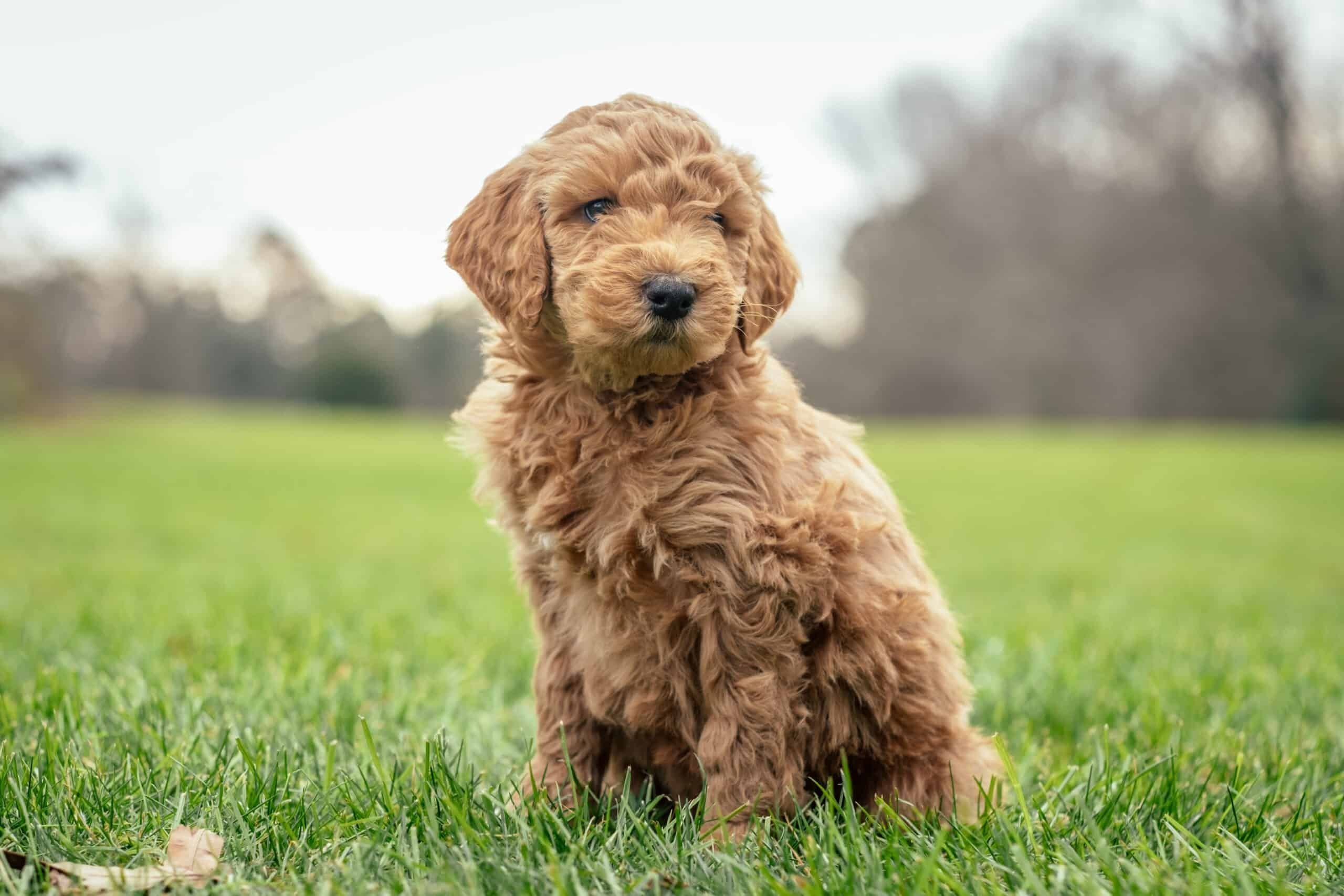
Mini Goldendoodles combine the intelligence of the Poodle with the social personality of the Golden Retriever. This mix usually produces dogs that enjoy human interaction and adapt well to family routines.
Most Mini Goldendoodles respond well to positive reinforcement training. Harsh corrections often slow progress and may create anxiety. Consistency works better than strict discipline.
Owners often notice these personality traits early:
- Strong attachment to family members
• Quick learning during training sessions
• Curiosity about new environments
• Sensitivity to tone of voice
Goldendoodles are commonly used as therapy dogs because of their gentle social behavior and trainability.
Mini Goldendoodles usually prefer staying near people rather than being alone for long periods. Planning daily interaction time helps prevent boredom and unwanted behavior.
Feeding and Nutrition Basics
Proper feeding habits support healthy growth and stable energy levels. Mini Goldendoodles require balanced meals that match their size, age, and activity level. Overfeeding can lead to weight gain, which increases joint strain later in life.
A regular feeding schedule helps regulate digestion and supports house training. Most puppies eat three meals per day, while adults usually transition to two meals.
The table below shows typical feeding guidelines based on life stage.
| Age Stage | Meals Per Day | Portion Size | Notes |
|---|---|---|---|
| 8–12 weeks | 3–4 meals | Small portions | Supports growth |
| 3–6 months | 3 meals | Moderate portions | Steady development |
| 6–12 months | 2–3 meals | Adjust gradually | Monitor weight |
| Adult | 2 meals | Stable portions | Maintain condition |
Adjust portions based on activity level and veterinary advice. Clean drinking water should always remain available.
Grooming Needs and Coat Care
Mini Goldendoodles usually have wavy or curly coats that require regular maintenance. Their fur can tangle easily if brushing becomes inconsistent. Frequent grooming keeps the coat clean and reduces shedding inside the home.
Many owners underestimate how quickly mats can form behind the ears and around the legs. Early grooming routines help puppies accept brushing without resistance.
A simple weekly grooming plan often includes:
- Brushing three to four times per week to prevent tangles
• Checking ears for dirt or moisture buildup
• Trimming hair around the eyes for clear vision
• Scheduling professional grooming every six to eight weeks
Did you know that regular brushing also helps distribute natural skin oils? This supports coat health and reduces dryness.
Consistent grooming becomes easier when started during puppyhood.
Exercise and Daily Activity

Mini Goldendoodles have moderate energy levels and benefit from daily physical activity. Regular exercise improves behavior and reduces restlessness indoors. Short play sessions spread throughout the day work better than one long outing.
Walks provide both physical and mental stimulation. New scents and environments keep puppies engaged and curious.
Most Mini Goldendoodles benefit from a daily routine that includes:
- Two walks lasting 20 to 30 minutes each
• Indoor play sessions with interactive toys
• Basic training exercises during playtime
• Occasional visits to safe outdoor areas
A predictable activity schedule helps prevent excessive barking and destructive chewing.
Mental stimulation matters just as much as physical exercise. Training games and puzzle toys help keep young dogs focused.
Training Foundations for First-Time Owners

Training works best when started early and practiced regularly. Mini Goldendoodles respond well to short sessions repeated throughout the day. Consistency makes commands easier to understand.
First time dog owners often try to teach too many commands at once. Focusing on a few essential behaviors builds a strong foundation.
Important early training goals include:
- Teaching the puppy to respond to its name reliably
• Introducing leash walking without pulling
• Establishing house training routines
• Practicing calm behavior during greetings
Mini Goldendoodles learn quickly when rewarded with praise or small treats. Clear signals and repetition help prevent confusion.
Training sessions should stay short and predictable. Puppies maintain attention better during brief sessions than long ones.
Health Awareness and Vet Care
Regular veterinary visits help detect health issues early and maintain long term well being. Mini Goldendoodles generally enjoy good health, yet routine care remains essential.
Vaccinations protect puppies from common diseases. Preventive treatments such as parasite control should follow a consistent schedule.
Owners should monitor these health indicators:
- Steady appetite and hydration
- Normal energy levels
- Healthy coat condition
- Regular digestion
Sudden changes in behavior often signal discomfort or illness. Early veterinary consultation usually leads to easier treatment.
Maintaining health records helps track vaccinations and medical history. Organized records make future vet visits more efficient.
Socialization and Family Life
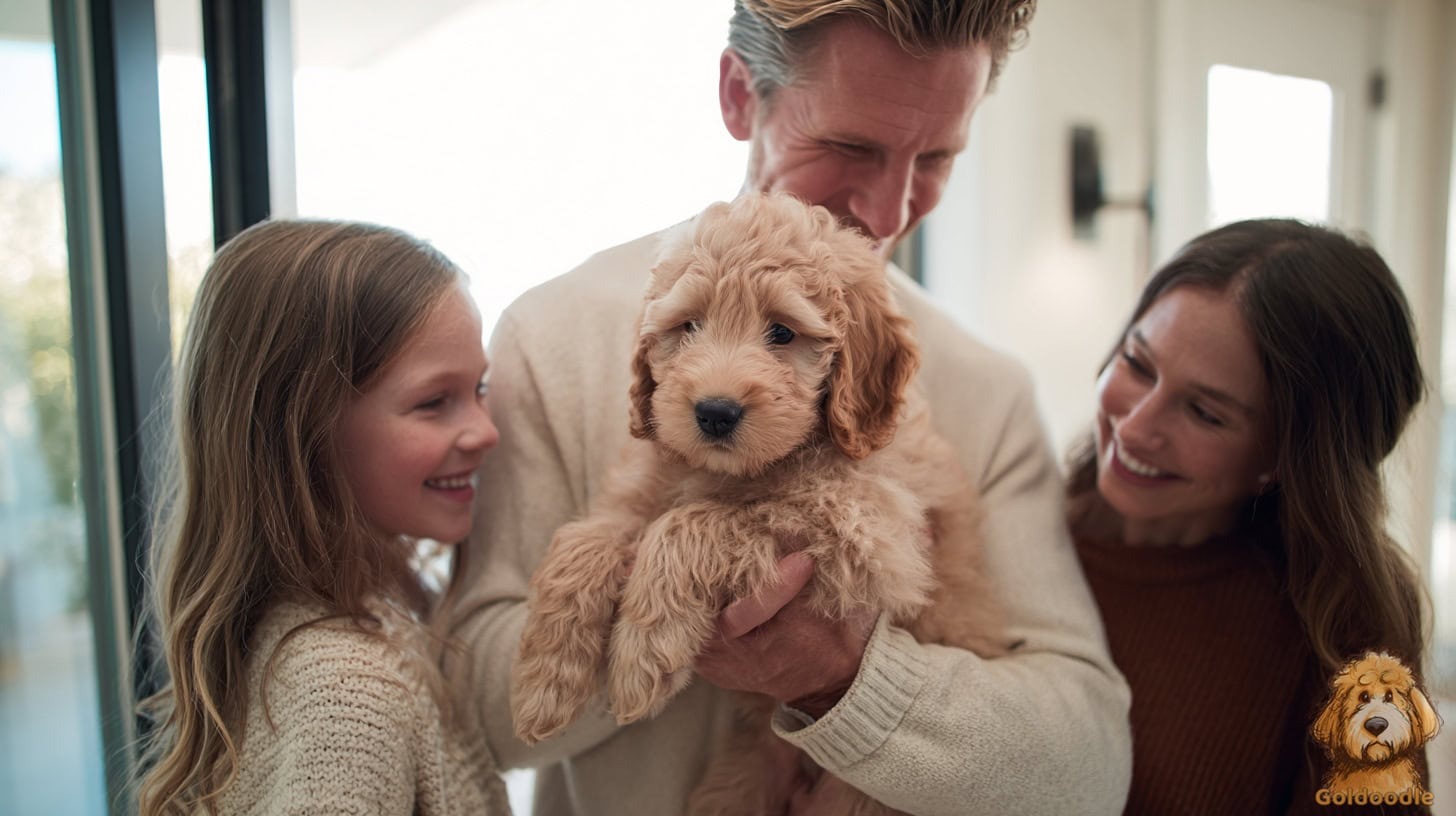
Early socialization helps Mini Goldendoodles become confident adult dogs. Exposure to different people, sounds, and places reduces fear reactions later in life.
Controlled introductions allow puppies to adapt gradually. Positive experiences during the first months shape long term behavior.
Socialization activities may include:
- Meeting calm visitors at home
• Short car rides to new locations
• Supervised play with friendly dogs
• Exposure to everyday household noises
Mini Goldendoodles often integrate well into family routines. They usually enjoy spending time with children and adults alike.
A stable environment and predictable schedule help puppies feel secure and relaxed.
Conclusion
Mini Goldendoodles can be excellent companions for first time dog owners who prepare properly. Understanding temperament, grooming needs, feeding habits, and training basics creates a smoother start.
Consistent routines, patient training, and early preparation help build a strong relationship. With the right approach, a Mini Goldendoodle quickly becomes a comfortable and trusted member of the household.