Transforming Your Workflow: A Comprehensive Overview
In today’s fast-paced and competitive business environment, efficiency is key to maintaining a productive workflow, particularly in sectors reliant on equipment rental. Primarily, this software transforms a traditionally manual procurement process into a well-oiled machine, enabling businesses to focus on their core activities rather than being bogged down by administrative tasks.
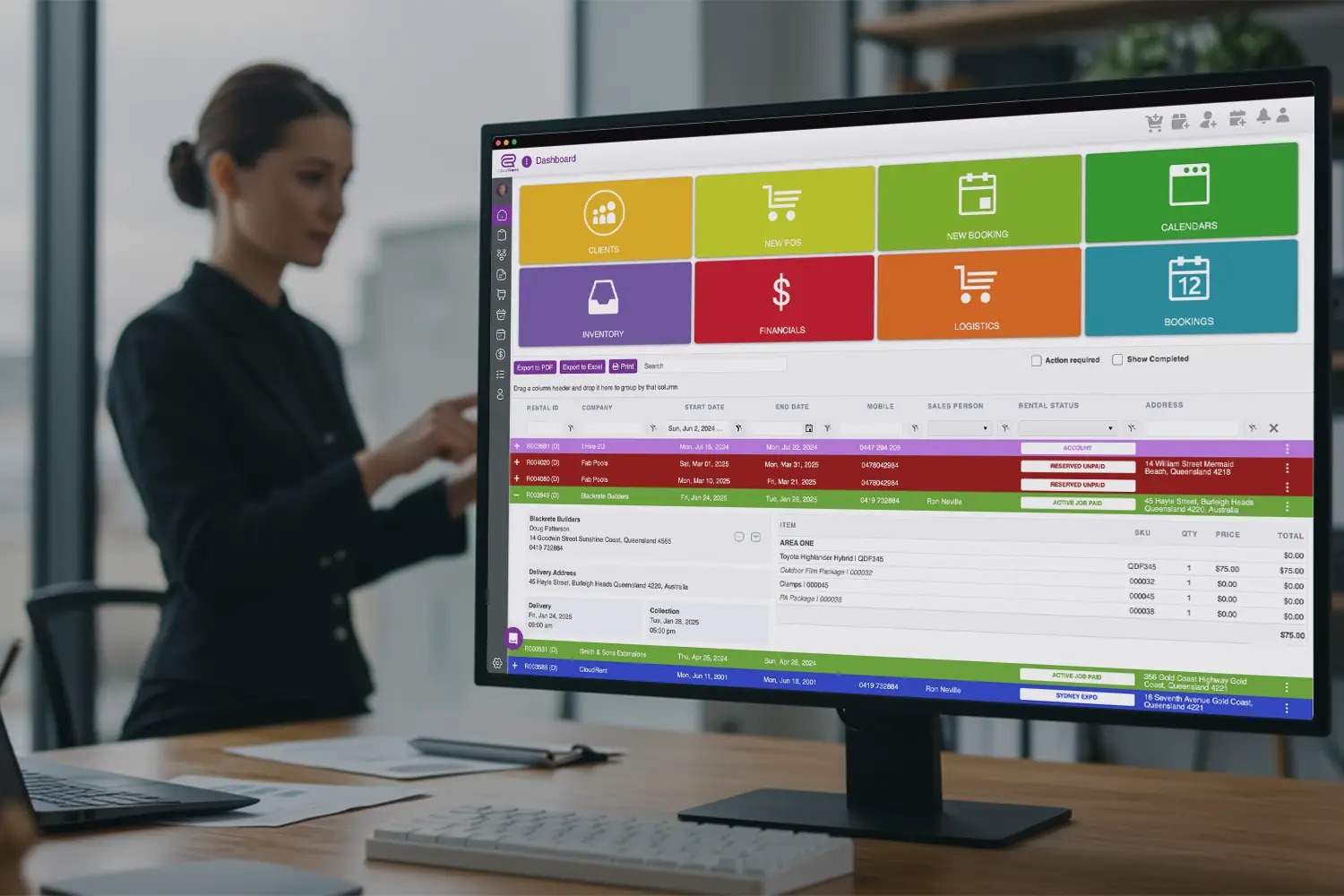
Rental equipment software emerges as a game-changing tool designed to streamline various operational processes, including inventory management, customer relations, booking, and financial tracking.
By offering a centralized platform for all rental operations, businesses can manage their assets more effectively, respond to customer inquiries with increased speed, and ultimately enhance customer satisfaction.
At its core, rental equipment software automates the most tedious aspects of the rental process. By integrating seamlessly with inventory systems, organizations can expect real-time updates on stock levels, which reduces the risk of overbooking and under-filling.
In addition, these platforms often include features for generating contracts and invoices automatically, billing clients accurately, and tracking payments, thus ensuring steady cash flow.
This newfound organizational efficiency can lead not just to reduced operational costs but also to a more agile response to market demands.
The Return on Investment: How Software Solutions Pay for Themselves

The question of cost often arises when considering new software solutions, yet the return on investment (ROI) that rental equipment software offers should be part of every business’s strategic decision-making process.
One of the most compelling arguments for adopting this technology is its capability to streamline costs. For instance, manual inventory processes can be time-consuming and prone to errors, often incurring extra labor costs and impacting service delivery.
By digitizing these processes, businesses significantly reduce overheads, which translates into higher profitability.
Moreover, the precise tracking of equipment rentals minimizes the incidence of loss or damage, leading to direct savings. The software also enhances customer experience through quicker service and accurate information, which can cultivate client loyalty and lead to repeat business a crucial factor in the rental industry.
Lastly, the valuable data analytics features that accompany quality rental equipment software facilitate informed decision-making. Businesses can gauge rental trends, identify peak demand periods, and tailor marketing efforts accordingly, all of which help manufacturers become more strategic in how they grow.
Hence, organizations that adopt these systems typically experience rapid financial return, absorbing the initial investment within a relatively short period.
Key Features That Make Rental Equipment Software Indispensable
Advanced Inventory Management: Keeping Track of Your Assets
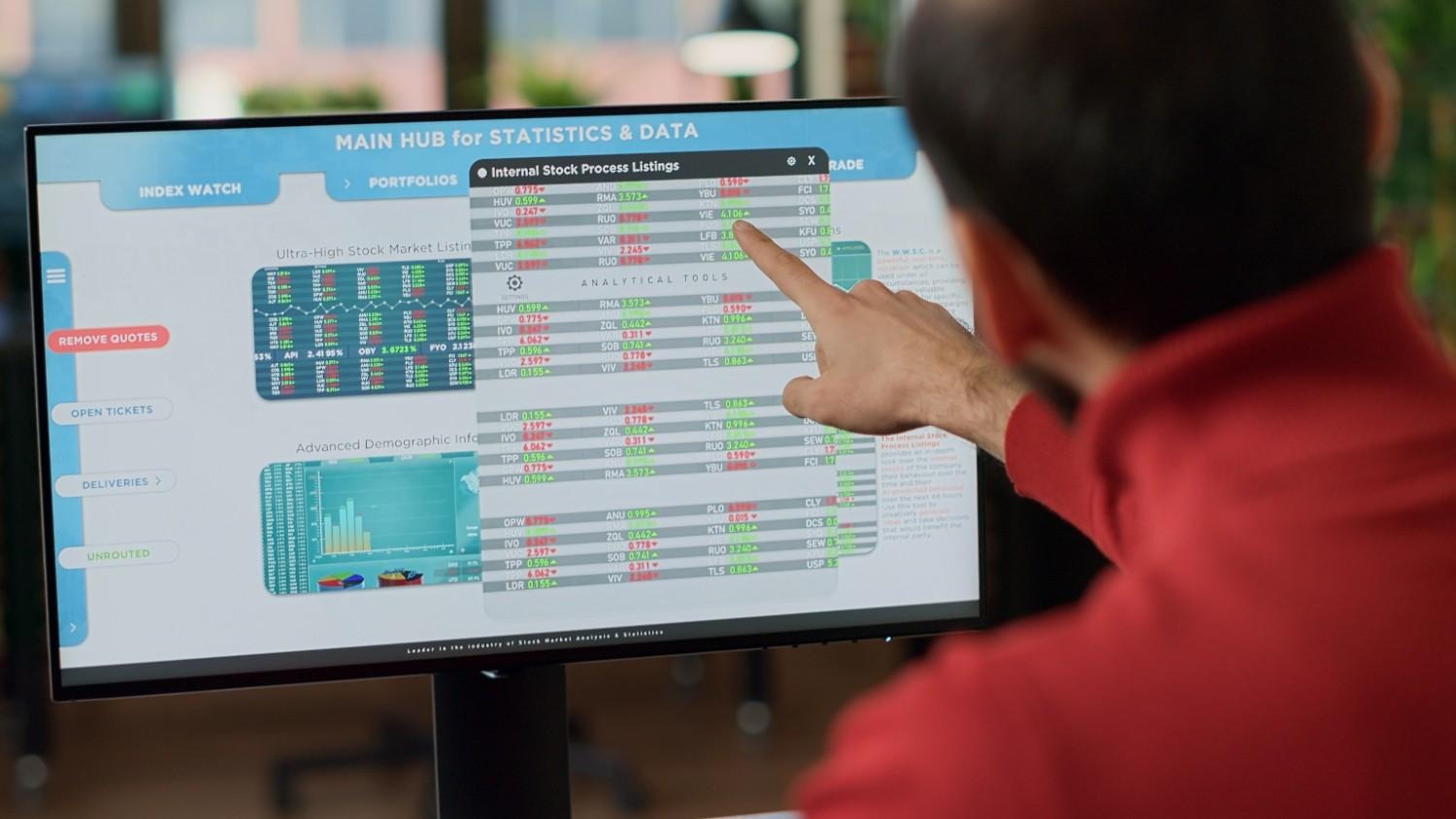
A robust inventory management system is at the heart of effective rental equipment software. This functionality eliminates the guesswork involved in asset tracking, providing users with a comprehensive view of equipment availability, location, condition, and maintenance schedules.
Businesses leveraging advanced inventory management capabilities can automate alerts for equipment upkeep, ensuring that no item goes unnoticed when it needs servicing.
Furthermore, these alerts preserve the company’s investment in its inventory while contributing to safety and compliance with manufacturer guidelines.
With centralized control over equipment availability, companies can also optimize their rental schedules. Rental equipment software usually employs real-time tracking features using RFID or barcode scanning, allowing for easy check-in and check-out processes. This accuracy enhances asset utilization, reducing idle time and increasing revenue.
Additionally, advanced analytics embedded in the system can forecast future equipment needs based on historical rental data. By anticipating demand, companies can make informed decisions about purchasing new inventory or selling underperforming equipment. Ultimately, effective inventory management improves operational efficiency and maximizes profits.
Seamless Booking Systems: Simplifying Client Interactions
Customer interaction is a critical element in any service-based sector. A seamless booking system facilitates an effortless experience for clients, encompassing everything from initial inquiries to contract finalization.
Modern rental equipment software provides intuitive online booking interfaces, allowing clients to view available inventory, get quotes, and make reservations around the clock.
This 24/7 accessibility eliminates potential bottlenecks, reducing the volume of manual inquiries received by staff, thus streamlining the booking process.
Moreover, an automated booking system often includes essential functionalities such as payment processing, contract generation, and confirmation notifications, significantly reducing administrative workload. Such features not only enhance client satisfaction but also foster a professional image for the business.
Additionally, businesses can offer customization options to tailor the booking experience to different customer segments, including corporate clients, small businesses, and individual consumers. This personalization boosts customer engagement, potentially converting inquiries into sales.
Analytics and Reporting: Making Data-Driven Decisions
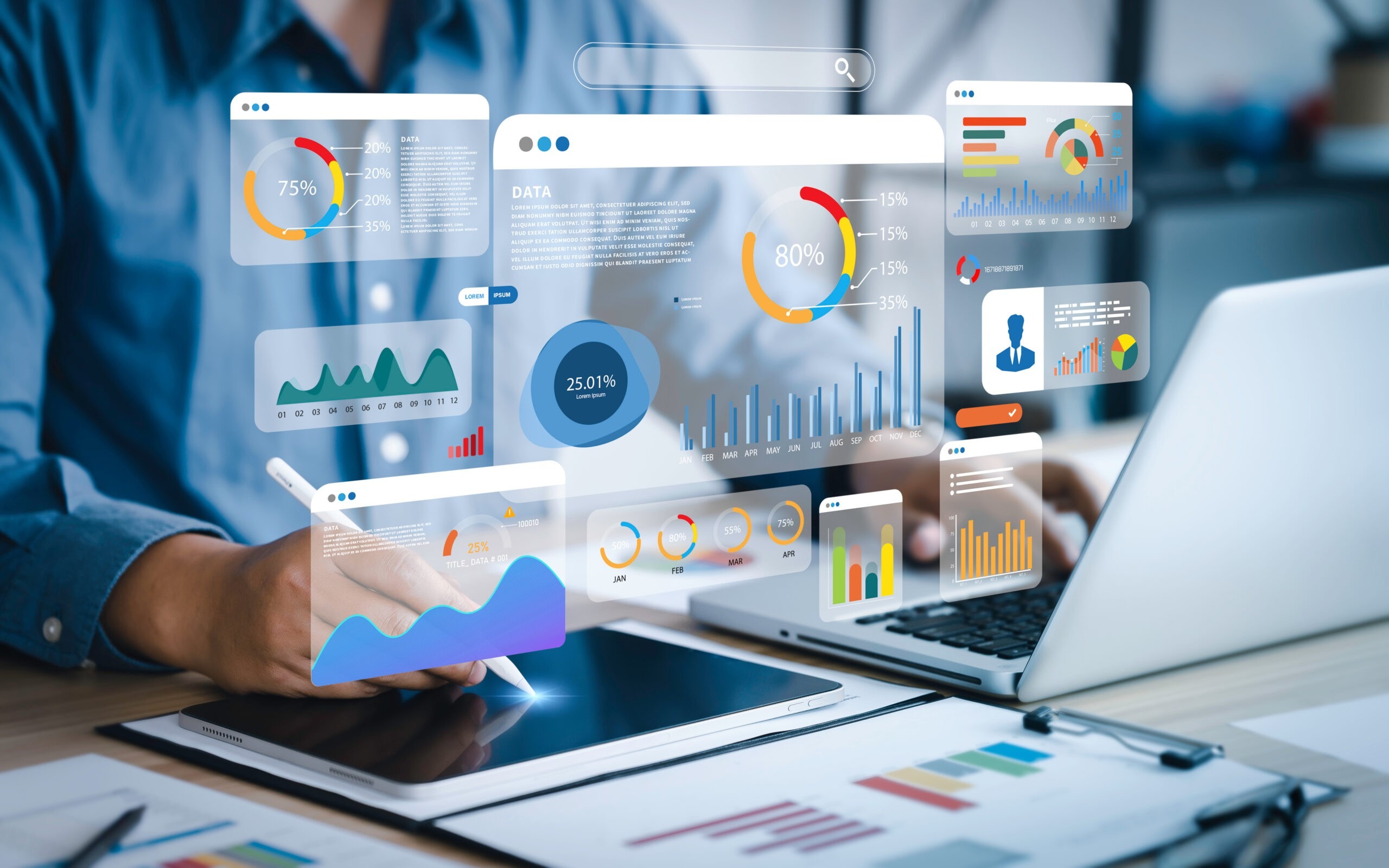
The value of data cannot be overstated in the modern business environment. Rental equipment software often comes equipped with sophisticated analytics and reporting tools that actively interpret business performance metrics and provide actionable insights.
By tracking key performance indicators (KPIs) such as rental turnover, asset utilization rates, and customer demographics, businesses can better understand their operational landscape.
The ability to visualize this data through user-friendly dashboards grants companies the power to identify emerging trends and make strategic decisions quickly. For instance, if an analysis reveals a surge in demand for specific equipment, businesses can adjust their inventory accordingly, optimizing profitability.
Similarly, these insights enable targeted marketing efforts, allowing for outreach to previously untapped segments. By promoting products or services that align with demand, businesses can significantly improve their revenue streams.
Data-driven decisions foster intelligence-driven change, paving the way for continuous operational improvement.
Choosing the Right Rental Equipment Software for Your Business
Customizability: Tailoring Solutions to Your Unique Needs
Every business has unique operational needs, often influenced by industry, target market, and growth stage. Therefore, choosing rental equipment software that offers high levels of customizability is crucial to meeting those specialized requirements. Standard software solutions may lack the flexibility needed to adopt business models, which can lead to frustration and inefficiencies in workflow.
When exploring options, consider software that allows you to modify its features to suit your operations, whether that includes custom fields for client information, adjustable rental terms, or unique reporting setups. These tailored solutions can enhance user engagement and create a more efficient operational environment.
Moreover, businesses that understand their specific pain points can proactively work with software providers to develop features that address their needs, from managing seasonal inventory fluctuations to automating marketing outreach based on rental history.
User Experience: The Importance of Intuitive Design
In the era of software SaaS (Software as a Service) solutions, user experience (UX) plays a vital role in determining the effectiveness of any software. With complex features comes the need for intuitive design to facilitate user adoption.
If rental equipment software is cumbersome and unintuitive, users are likely to become frustrated, resulting in a lower uptake of the various functionalities available, which negates the value of the investment entirely.
An ideal solution features a clean interface, logically organized menus, and an efficient user navigation system. Conduct usability testing and gather feedback from potential users prior to implementation to ensure the software fits seamlessly into your operations.
Furthermore, onboarding training is essential for existing staff to get accustomed to the new system, reducing the risk of disruption during the transition. After all, a software’s primary purpose is to increase productivity not hinder it.
Support and Training: Ensuring Successful Implementation
The transition to rental equipment software involves more than just purchasing a license; it encompasses a comprehensive understanding of how to implement and utilize the system effectively.
Quality customer support and training services from the software vendor can substantially ease this process, ensuring that employees are comfortable using their new tools. Look for vendors that offer extensive documentation, tutorials, and resources, as well as dedicated support teams to handle common queries or troubleshooting challenges.
Training should be tailored to various user personas within the organization, recognizing that different roles will interact with the software in unique ways. For instance, sales personnel may benefit from learning the booking functionalities in detail, whereas warehouse staff may require training focused on inventory tracking.
Investing in adequate training from the start enhances overall employee confidence, which translates into a more successful adoption of the software and, consequently, higher operational efficiency.
Success Stories: Businesses Thriving with Rental Equipment Software
Case Studies: Real-World Examples of Transformative Change
Numerous businesses across various sectors have experienced transformative growth following the implementation of rental equipment software. Take, for example, a national construction equipment rental company that noticed a significant drop in operational efficiency due to manual booking processes.
Upon integrating a state-of-the-art rental management system, they observed a 60% decrease in administrative workload, alongside a 20% increase in overall rental revenue within the first six months. The automation capabilities streamlined daily operations, enabling the team to focus on strategic initiatives curbing growth and enhancing customer service.
Another compelling case is that of a smaller local event rental business which used to struggle with managing its inventory effectively. The lack of real-time tracking often led to double bookings and dissatisfied customers. Following their switch to rental equipment software with advanced inventory capabilities, the company could achieve full visibility of their assets.
This heightened awareness enabled them to reduce incidents of double bookings and increase rental efficiency, ultimately resulting in a 35% uptick in repeat customers. These case studies encapsulate the tangible benefits rental equipment software can bring to organizations, illustrating how innovative technology leads to substantial business improvement.
Testimonials: What Industry Leaders are Saying
Industry testimonials often provide unfiltered insights into organization experiences with rental equipment software. For instance, a senior operations manager from a prominent tool rental company remarked, “Adopting rental equipment software gave us the backbone we needed to scale our operations.
We’ve streamlined so many processes that what used to take days can now be accomplished in mere hours.” This testimonial underscores the importance of efficient systems as not only a time-saver but also as a driving force behind business growth.
CEO testimonials also portray a similar narrative. A leader of a aviation rental firm shared, “The analytics capabilities have truly changed our decision-making. We can now identify when to push certain equipment given seasonal demand or even optimize pricing in real-time. This edge has resulted in noticeably higher revenue.”
These voices from within the industry illuminate the significant improvements organizations experience through rental equipment software, validating its role as a vital tool in driving operational efficiency and revenue generation.
Future Trends: What’s Next for Rental Equipment Management?
The future of rental equipment management is rapidly evolving, driven by technological advancements and changing market dynamics. A notable trend emerging is the integration of Artificial Intelligence (AI) and Machine Learning (ML) capabilities within rental equipment software. This technology analyzes rental patterns and client behavior, predicting future demand with greater accuracy, thus allowing businesses to adjust their inventories proactively.
Another trend to consider is the increasing adoption of cloud-based solutions. As more businesses shift their processes online, cloud-based software offers unparalleled accessibility and scalability, eliminating the need for hefty upfront investments in IT infrastructure.
Moreover, the integration of mobile applications is expected to expand, allowing customers to manage bookings, payments, and communications from their smartphones. This evolution towards enhanced customer experience not only caters to the growing demand for flexibility and convenience but also gives rental companies a competitive edge.
Lastly, enhanced focus on sustainability and eco-conscious practices in the equipment rental industry is gaining traction. Companies may integrate software solutions that promote environmentally responsible practices, offering options for tracking carbon footprints or optimizing inventory to reduce environmental impact. As more stakeholders demand sustainable choices, rental equipment software will play a pivotal role in aligning business operations with ecological responsibility.
In conclusion, as the landscape of rental equipment management continues to evolve, businesses need to position themselves strategically. By investing in dedicated software solutions, organizations can unleash their potential, improve operational efficiency and ensure continued growth in an increasingly competitive marketplace.