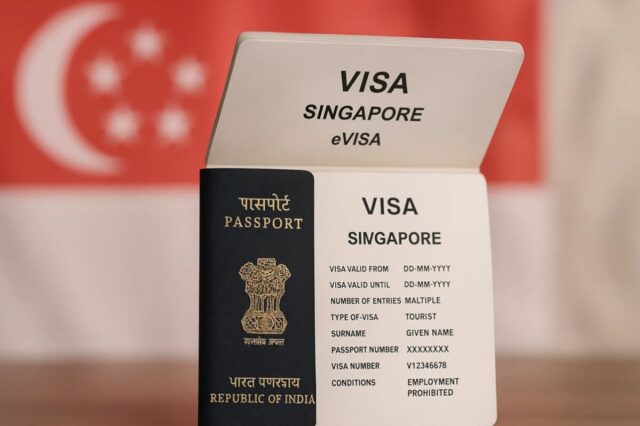
Singapore receives hundreds of thousands of work pass applications each year, yet approval outcomes still surprise many professionals. Some applicants qualify quickly while others face delays despite strong profiles.
Understanding how Singapore visa options work in 2026 matters more than ever due to tighter checks and clearer salary benchmarks. If you plan to work or relocate, the right pass shapes job security, housing access, and long-term stability.
This guide walks through work pass types, requirements, and timelines with clarity and realistic detail. Expect practical explanations, clear sections, and pacing that respects your time.
Singapore visa pathways for work

Singapore structures work visas around skill level, income, and economic value. Authorities focus on workforce balance, not just credentials. In 2026, rules emphasize transparency and predictability, yet preparation remains essential.
Early planning helps align job offers with pass eligibility. Location planning also matters once approval arrives. Many professionals factor housing access into early decisions, especially near transport hubs and business districts. Residential developments like Vela Bay often enter conversations at this stage, since proximity to downtown and transit reduces daily friction. Living near work supports productivity and integration. Visa planning rarely stands alone. It connects to lifestyle choices, commuting time, and long term comfort.
How eligibility is assessed
Singapore evaluates applications through a structured lens. Officials review education, salary, employer profile, and role relevance. Local workforce impact also plays a role. Each factor stands alone, yet contributes to an overall assessment.
Key elements include
• Recognized academic qualifications
• Offered salary meeting current benchmarks
• Employer track record and sector demand
• Role alignment with skills
Applicants benefit from realistic self assessment before submission. Overstated roles or mismatched salaries raise red flags. Careful alignment improves approval odds.
Employment Pass explained

The Employment Pass targets professionals, managers, and specialists. It suits candidates with strong qualifications and higher salaries. In 2026, salary thresholds adjust by sector and age band. Younger professionals face lower minimums than experienced executives.
Applications often succeed when roles reflect genuine expertise. Generic titles without scope detail create delays. Processing usually takes three to five weeks. Preparation quality influences speed.
Benefits include family pass eligibility and flexibility to change employers with reapplication. Many expatriates choose this route for long term careers. Planning housing early supports smoother settlement after approval.
S Pass and mid skilled professionals
The S Pass serves technicians and associate professionals. It suits candidates with relevant diplomas and moderate salaries. Quotas apply per company, which adds an extra layer of scrutiny.
Employers must manage foreign worker ratios carefully. Applications often slow when quotas near limits. Processing times range from four to six weeks.
S Pass holders enjoy stability and access to essential services. Family options exist at higher salary levels. Clear role descriptions and accurate salary offers improve outcomes. Candidates should confirm quota availability before signing contracts to avoid last minute issues.
Work Permit options and constraints

Work Permits apply to specific sectors like construction, manufacturing, and services. They target semi skilled roles rather than professional tracks. Age limits and nationality criteria apply.
Processing tends to move faster, often within two to four weeks. Restrictions include limited job mobility and housing requirements set by employers. Dependents are not allowed.
Despite limits, Work Permits remain vital to many industries. Applicants should understand sector rules clearly. Mismatched expectations create frustration. Employers play a central role in compliance and housing arrangements.
Work Permits operate under sector specific regulations with strict employer responsibility for welfare and accommodation.
Personalized Employment Pass route

The Personalized Employment Pass suits high earners seeking flexibility. It allows job changes without reapplication during validity. Income requirements sit well above standard Employment Pass levels.
Approval depends heavily on prior salary history and professional standing. Processing may take longer due to detailed checks. Expect five to eight weeks in many cases.
This pass appeals to executives, consultants, and entrepreneurs exploring multiple roles. It does not support self employment. Family privileges mirror senior professional standards. Applicants should prepare thorough documentation to avoid back and forth reviews.
Application timelines and what affects them
Processing time depends on pass type, employer readiness, and document accuracy. Complete submissions move faster. Missing details slow progress.
Typical ranges appear below:
| Pass type | Average processing time | Notes |
| Employment Pass | Three to five weeks | Role clarity and salary alignment matter |
| S Pass | Four to six weeks | Subject to quota availability and levy checks |
| Work Permit | Two to four weeks | Processing time varies by sector and nationality |
| Personalized EP | Five to eight weeks | Enhanced scrutiny due to seniority and flexibility |
Did you know?
Applications submitted during peak hiring periods often take longer. Early year submissions tend to move faster due to lower volume.
Common mistakes to avoid
Many rejections stem from avoidable errors. Applicants underestimate scrutiny or rely too much on employers.
Frequent issues include
• Inflated job titles without scope detail
• Salary mismatches with market norms
• Incomplete education verification
• Late medical checks
Careful review prevents setbacks. Applicants should request full drafts before submission. Transparency helps authorities assess genuine intent. Preparation saves weeks of delay.
Living considerations after approval
Visa approval triggers practical decisions. Housing, commuting, and cost planning follow quickly. Proximity to work reduces stress during the adjustment phase.
Many professionals favor developments near rail lines and business hubs. Waterfront locations with transit access attract buyers focused on balance and long term value. Early housing planning prevents rushed decisions. Stable living conditions support smoother professional performance and social integration.
Conclusion

Singapore visa options in 2026 reward preparation, accuracy, and realistic planning. Each pass serves a clear purpose, and success depends on matching profile to pathway. Understanding requirements and timelines reduces uncertainty.
Strong applications reflect genuine roles and fair compensation. With approval secured, thoughtful living choices complete the transition. A clear plan transforms relocation from challenge into opportunity.