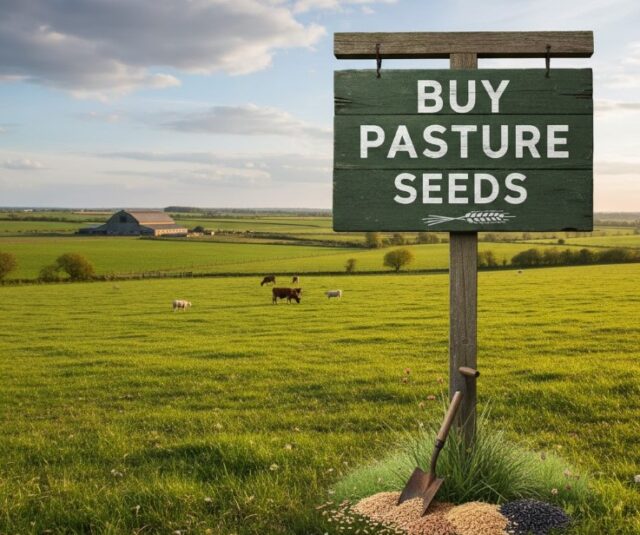
Choosing the right pasture seeds is one of the most important decisions for farmers, livestock owners, and land managers. A healthy pasture is the foundation of successful farming—it supports livestock nutrition, improves soil fertility, reduces feed costs, and ensures long-term land productivity. Poor seed selection, on the other hand, can lead to weak pasture establishment, weed infestation, soil degradation, and unnecessary replanting expenses.
With so many pasture seed varieties available on the market, selecting the right one can feel overwhelming, especially for first-time buyers. Climate conditions, soil type, grazing needs, and budget all play a role in determining the best seed choice. This guide outlines practical and proven tips to help you buy the right pasture seeds and achieve better pasture growth with long-term benefits.
1. Understand Your Soil Type and Climate
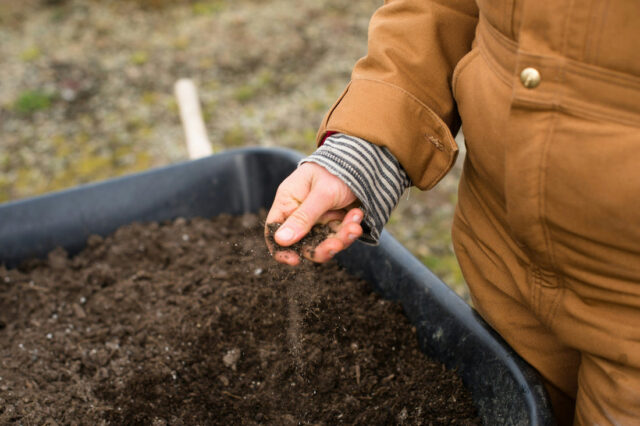
Before purchasing pasture seeds, it is essential to understand the natural conditions of your land. Pasture species perform very differently depending on soil and climate, and ignoring these factors is one of the most common reasons for poor pasture establishment.
Soil Type
Soil texture directly affects root development, water retention, and nutrient availability.
- Sandy soils drain quickly and are often low in nutrients. Grasses such as Rhodes grass and Buffel grass perform well in these conditions.
- Loamy soils are ideal for most pasture species due to balanced drainage and fertility. Clover, Ryegrass, and Alfalfa thrive here.
- Clay soils retain moisture but may suffer from poor drainage. Certain deep-rooted grasses can tolerate these conditions better than others.
Understanding your soil type helps you choose seeds that can establish strong root systems and survive long-term.
Climate Conditions
Climate determines whether warm-season or cool-season pasture species will perform best.
- Warm-season grasses grow actively during hot months and are suitable for tropical or semi-arid regions.
- Cool-season grasses grow best in cooler temperatures and are ideal for temperate climates.
Rainfall patterns, temperature range, and frost risk should all be considered before selecting pasture seeds.
Soil Testing
Conducting a soil test provides valuable insights into pH levels, nutrient deficiencies, and organic matter content. A soil test helps you:
- Select pasture species suited to your soil conditions
- Apply the right fertilizers before planting
- Avoid buying seeds that will struggle to grow
Soil testing is a small investment that significantly improves pasture success.
2. Consider the Purpose of Your Pasture
Not all pastures serve the same purpose, and your seed choice should reflect how the pasture will be used.
Grazing Pasture
For grazing livestock, durability is key. The pasture must withstand frequent grazing and trampling while continuing to regrow. Hardy grass varieties such as Ryegrass, Rhodes grass, and Buffel grass are commonly used for grazing systems. These species provide consistent forage and recover quickly after grazing.
Hay or Silage Production
If your goal is hay or silage, focus on species that produce high biomass and offer good regrowth after cutting. Alfalfa and Clover are popular choices due to their high protein content and strong yield potential.
Mixed-Use Pasture
Many farmers require pasture for both grazing and fodder production. In such cases, a balanced mix of grasses and legumes works best. Mixed pastures provide flexibility, improved nutrition, and greater resilience under varying conditions.
Clearly defining your pasture purpose ensures you invest in seeds that align with your production goals.
3. Choose Quality Seed Varieties
Seed quality plays a critical role in pasture establishment and long-term productivity. High-quality seeds result in stronger seedlings, better ground coverage, and fewer issues during growth.
Look for Certified Seeds
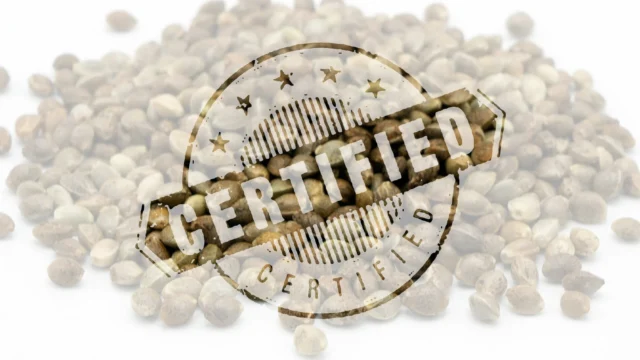
Certified seeds are tested for purity, germination rate, and weed contamination. They ensure:
- High germination percentages
- Minimal weed seeds
- Consistent performance
Using uncertified or low-quality seeds may save money initially but often leads to patchy growth and increased weed problems.
Germination Rate
A high germination rate means more seeds will successfully sprout, resulting in a denser and healthier pasture. Always check the germination percentage mentioned on the seed label.
Disease and Pest Resistance
Selecting disease-resistant varieties reduces the need for chemical treatments and lowers maintenance costs. Resistant seeds also improve pasture longevity and overall resilience.
4. Decide Between Single Species or Seed Mixes
Choosing between a single species and a seed blend depends on your land conditions and pasture goals.
Single Species Pasture
Single-species pastures are easier to manage and provide uniform growth. They are often preferred for hay production where consistency in maturity and yield is important.
Seed Mixes
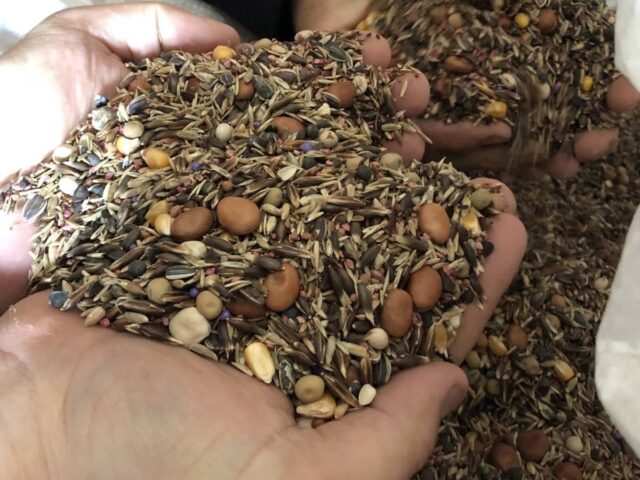
Seed blends combine grasses and legumes to offer multiple benefits:
- Year-round forage availability
- Improved soil fertility through nitrogen fixation
- Better resistance to pests, drought, and grazing pressure
Mixed pastures are especially useful in regions with seasonal climate variations, as different species dominate at different times of the year.
5. Check the Seed Supplier’s Reputation
The quality of your pasture also depends on where you buy your seeds. Reputable suppliers provide transparency, guidance, and reliable products.
A good pasture seed supplier should offer:
- Clear product descriptions and usage instructions
- Seed test certificates
- Regional recommendations
- Technical advice and after-sales support
Customer reviews, word-of-mouth recommendations, and long-standing industry presence are good indicators of a trustworthy supplier.
6. Consider Your Budget and Long-Term Value
While budget is an important factor, choosing pasture seeds based solely on price can be costly in the long run. High-quality seeds may cost more initially, but they provide better value over time.
Long-Term Benefits of Quality Seeds
- Faster pasture establishment
- Reduced need for reseeding
- Higher forage yield
- Lower weed management costs
Investing in the right seeds upfront saves money, labor, and time over the life of the pasture.
7. Plan Proper Sowing and Establishment
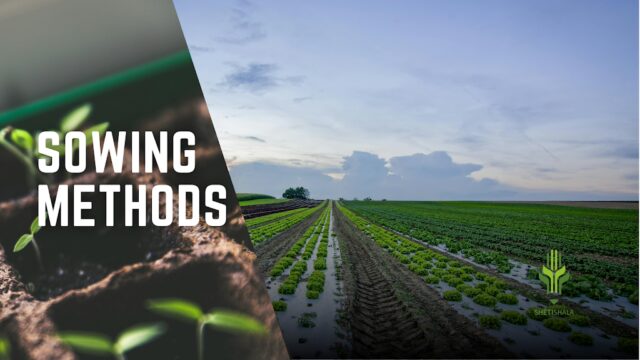
Even the best seeds will fail if they are not planted correctly. Proper sowing techniques are essential for successful pasture growth.
- Prepare the land by removing weeds and leveling the soil
- Sow seeds at the recommended depth and rate
- Ensure adequate soil moisture during germination
- Avoid overgrazing during the establishment phase
Following best planting practices ensures strong early growth and long-term pasture success.
Final Thoughts
Buying the right pasture seeds is the foundation of a productive and sustainable pasture system. By understanding your soil type, climate, and pasture purpose, and by choosing high-quality seeds from reliable suppliers, you can create a pasture that supports healthy livestock and improves soil health for years to come.
Rather than rushing the decision, take time to research, conduct soil tests, and evaluate long-term value. A well-planned pasture seed investment delivers higher yields, better nutrition, and long-term sustainability—making it one of the smartest decisions for any landowner or farmer.