

Custom sheet metal fabrication significantly improves design quality and flexibility, catering to specific project requirements rather than defaulting to one-size-fits-all options.
This innovative process permits the crafting of complex shapes and exact dimensions, empowering manufacturers to bring intricate designs to life without sacrificing detail.
Cost efficiency in custom fabrication arises from precision engineering, which reduces errors, cuts down on material waste, and leads to lower labor expenses.
In the automotive sector, custom sheet metal fabrication produces lightweight and durable components that adhere to safety standards while enhancing vehicle performance.
Similarly, electronics manufacturing leverages custom fabrication to develop specialized components that adapt to changing technological demands, improving supply chain efficiency in the process.
The journey of custom fabrication often begins with consultations and prototype creation, aligning clients’ visions with design practicality and functionality.
By implementing rigorous quality control measures at every fabrication stage, high standards are maintained, allowing for early detection of defects and preserving project integrity and client confidence.
Why Custom Sheet Metal Fabrication Is a Big Deal for Your Project

In terms of precision and versatility, custom sheet metal fabrication serves as a crucial resource across numerous industries. This method not only satisfies specific project needs but also boosts the overall quality and adaptability of the end product. What makes this approach so significant?
Tailored solutions provide unique designs that seamlessly integrate with established operations. Businesses today are moving away from generic options that simply don’t meet their distinct requirements. Customization has become the preferred choice for meeting unique demands.
How Tailored Solutions Enhance Design Flexibility
Design projects each have their own unique challenges. Custom sheet metal fabrication offers the flexibility to successfully navigate these hurdles. Is there a need for precise dimensions? No problem. Looking to create intricate shapes that set products apart in the marketplace? Tailored solutions make it feasible. With the ability to create complex geometries, manufacturers can closely align with designers’ artistic visions, transforming concepts into actual products without compromise.
- Complex shapes and sizes tailored to needs.
- Efficient use of material for less waste.
- Integration of technological advancements in design.
In an industry where innovation reigns supreme, fulfilling clients’ demands with precision remains essential. Nothing can replace the control afforded by custom fabrication. The outcome? A product that fits perfectly – in every sense.
Maximizing Cost-Efficiency Through Precision Engineering

Here’s an important point: cost-efficiency isn’t solely about lower costs. It’s about making the most of every dollar invested. Precision engineering in custom sheet metal fabrication leads to fewer errors, minimized material waste, and reduced labor costs. By starting with exact specifications, projects dodge the pitfalls associated with generic production runs that frequently require rework.
- Reduced scrap through accurate cuts.
- Optimized machining processes enhance production speed.
- Long-term cost savings on repairs and modifications.
Clients often discover that an upfront investment in custom solutions yields remarkable returns. The enhanced accuracy and fit seen in custom-manufactured components can result in decreased wear and tear over time, leading to additional savings. This isn’t merely theoretical; it’s a reality observed across diverse industries.
Key Industries That Benefit from Custom Sheet Metal Fabrication

In a landscape driven by efficiency and performance, certain sectors excel thanks to their innovative use of custom sheet metal fabrication. Companies spanning automotive to electronics harness these capabilities to uphold regulatory standards and meet consumer expectations. Let’s delve into the specific advantages across various critical industries.
Transforming Manufacturing: A Look at Automotive Applications
The automotive sector stands out as a primary user of custom sheet metal solutions. Why is that the case? Both safety and performance are paramount. Modifying metal components to fulfill specific safety constraints ensures compliance while boosting vehicle performance. Consumers increasingly desire vehicles that deliver both durability and visual appeal. Here, custom fabrication proves essential.
- Lightweight components that don’t compromise structural integrity.
- Enhanced design options for vehicle differentiation.
- Faster turnarounds with agile manufacturing practices.
Manufacturers can generate everything from body panels to intricate brackets, all while minimizing vehicle weight, which directly translates to improved fuel efficiency. As emission regulations continue to tighten, this edge in automotive engineering becomes even more crucial.
The Role of Custom Fabrication in Electronics Production
Electronics manufacturing is heavily reliant on customized solutions. With technology evolving at a rapid pace, the need for components tailored to specific applications is growing. From housing enclosures to custom brackets, the electronics sector capitalizes on fabrication to maintain its competitive advantage. Here’s how:
- Supply chain efficiency through direct part integration.
- Targeted fabrication responding to technology trends.
- Enhanced thermal management through tailored designs.
Custom sheet metal fabrication enables swift adjustments as technology advances and consumer demands shift. Creating smaller batches also streamlines processes, reducing lead times and helping companies remain ahead in the market.
Steps to Expect in the Custom Sheet Metal Fabrication Process
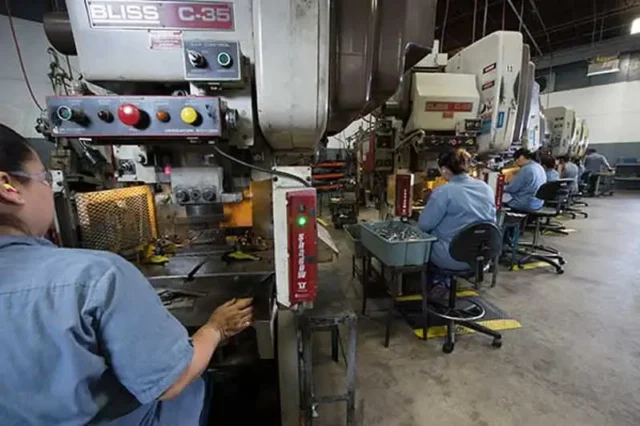
For clients unfamiliar with the custom fabrication journey, understanding the necessary steps can be invaluable. From the initial concept to final execution, it’s a relatively straightforward path. What can stakeholders expect? A collaboration-driven sequence of iterations and design refinements.
Initial Consultation: Aligning Vision with Practicality
The initial consultation sets the stage for successful outcomes. Here, a client’s vision merges with a realizable application. What’s typically encountered during this phase? A comprehensive discussion of requirements, objectives, and constraints. Experienced professionals direct this dialogue, ensuring that every technical aspect is comprehensively understood. It’s a dynamic exchange where ideas interlace with practicalities.
- Detailed needs assessment to identify goals.
- Technical evaluations to highlight design constraints.
- Feasibility studies that consider budget and timeline.
During this critical phase, professionals foster collaboration. Input from various departments helps craft a holistic approach to the project. By laying a solid foundation here, the team ensures that every following step is built on clarity and a shared understanding.
Prototype Development: Accelerating Innovation
Prototyping serves as an essential link between conceptualization and execution. Skilled engineers and fabricators breathe life into ideas, developing test pieces that shed light on design functionality. What’s the objective? Validation. This is the stage where concepts can be evaluated, adjusted, or even overhauled based on real-world performance metrics. Prototypes can uncover potential issues that might arise during full-scale production, allowing for timely modifications without formidable costs.
- Iterative testing to refine designs.
- Immediate feedback loops between teams involved.
- Opportunity for client interaction with physical samples.
Clients are actively engaged with prototypes. They validate both functionality and aesthetics, ensuring the final product aligns with expectations. This iterative process sharpens the overall project, reducing risks later on as preparations for full production advance.
Best Practices to Ensure Quality in Custom Sheet Metal Projects
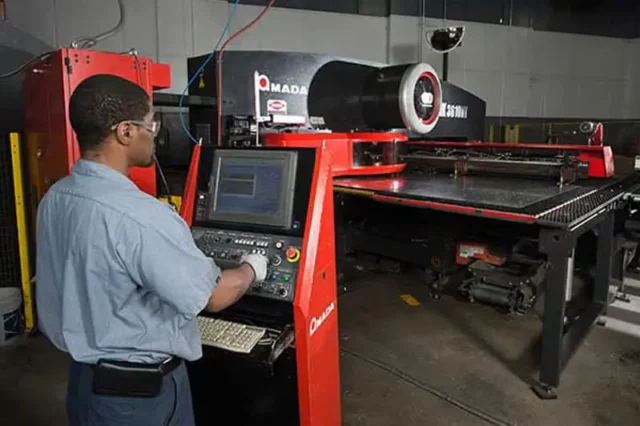
Quality is a fundamental principle in custom sheet metal fabrication; it’s not left to chance. Achieving excellence relies on adhering to established best practices throughout the fabrication process. What strategies can assure that every project meets rigorous quality standards? Here are some of the crucial approaches.
Quality Control Measures That Deliver Excellence
Implementing strict quality controls guarantees high standards throughout the production process. Quality should always be a primary focus; it’s integrated into every operational step. Professionals in this field utilize methods that include comprehensive inspections, ongoing reporting, and regular assessments to measure processes against established benchmarks.
- In-process inspection to catch issues early.
- Standard operating procedures that define best practices.
- Documentation of processes to ensure traceability.
A commitment to quality control allows businesses to identify defects early, addressing them before they can cause larger problems. Early adjustments preserve both time and resources, ultimately protecting project health and client trust.
Choosing the Right Materials for Long-Lasting Durability
Selecting appropriate materials is critical for ensuring the longevity and effectiveness of fabricated products. Clients might overlook this factor, but the right materials substantially contribute to the durability of results. Each project presents its own environmental conditions and functional demands, influencing material choices.
- Comparing material properties to align with project needs.
- Assessing corrosion resistance where applicable.
- Understanding weight-to-strength ratios for performance.
Taking the time to comprehend the materials being utilized can dramatically influence the performance of the final product. Custom engineers often recommend specific alloys or treatments to maximize lifespan. The advantages derived from appropriate material selection echo throughout the project’s lifecycle, affirming the importance of thoughtful initial decisions.
Custom sheet metal fabrication represents a critical element for various sectors, offering bespoke solutions that enhance flexibility and efficiency. With a clear methodology and adherence to best practices, projects can not only meet but frequently exceed expectations.
Partnering with professionals experienced in this area enables businesses to harness the full potential of custom fabrication, paving the way for enduring success.
FAQ
What materials are best for custom sheet metal fabrication?
How long does the custom sheet metal fabrication process take?
Can custom sheet metal fabrication support sustainable practices?
Is custom sheet metal fabrication suitable for small-scale projects?
What types of projects benefit most from custom sheet metal fabrication?
How can companies ensure they choose the right custom fabrication partner?
What role does CAD (Computer-Aided Design) play in custom sheet metal fabrication?
How can businesses maintain strong communication during the fabrication process?
Useful Resources
- American Society of Mechanical Engineers
- Society of Manufacturing Engineers
- National Institute of Standards and Technology (NIST)
- American Association for the Advancement of Science
- Institute of Electrical and Electronics Engineers (IEEE)
- ASTM International
- MatWeb Material Properties
- Engineering Toolbox


