

That empty spot on the shelf? It’s more expensive than you realize. That jar of pasta sauce or box of cereal wasn’t sold today. What many fail to understand is this, however. The bad effects of not having stuff on the shelves last way longer than when a customer walks away disappointed.
The Hidden Price Tag of Empty Shelves
Let’s talk money first. A customer wants to buy something. It’s not there. Sale lost. End of story? Not even close. Here’s what actually happens. That customer pulls out their phone right there in aisle three. Two clicks later, they’ve ordered it online from someone else.
By dinner, they’re complaining to their spouse about the store. People hang onto bad shopping experiences like old grudges. They’ll forget the fifty times everything went fine, but that one empty shelf? They’ll remember it for months. Some folks get so fed up they switch stores permanently. All from one missing product.
When Loyalty Walks Out the Door

Think about the regular, weekly customers. Loyal customers who never shop elsewhere. Those are the golden customers every store wants. However, they’re also the first to leave when shelves are bare. It makes sense when you think about it. These shoppers built their whole routine around that store.
They know where everything sits. They budget based on those prices. The store becomes part of their life rhythm. Then boom. Their go-to breakfast cereal vanishes for two weeks straight. Now they’re forced to try that competitor down the street. And guess what? That new place has their cereal. Plus better parking. Maybe friendlier cashiers too.
Getting those customers back? Best of luck. New shopping habits tend to stick. That store didn’t only misplace a single box of cereal. They lost every single thing that customer would have bought for years to come.
The Snowball Effect on Store Operations
At the store, chaos erupts. Sarah at customer service constantly apologizes for out-of-stock items. Tom struggles to rotate groceries due to late/incomplete deliveries. The manager burns through her morning juggling phone calls with suppliers instead of training new staff. Then there’s the panic ordering. Running out of milk on a Saturday means paying triple for emergency delivery on Sunday. Those rush charges add up quickly. Stores sometimes pay high prices to restock before the weekend.
Nothing runs smoothly anymore. The bakery can’t plan production when flour deliveries become unpredictable. Marketing won’t advertise products that might disappear. Even the cleaning crew struggles because they can’t buy supplies on a regular schedule. One empty shelf somehow throws off the entire store’s rhythm.
Technology Steps In to Save the Day
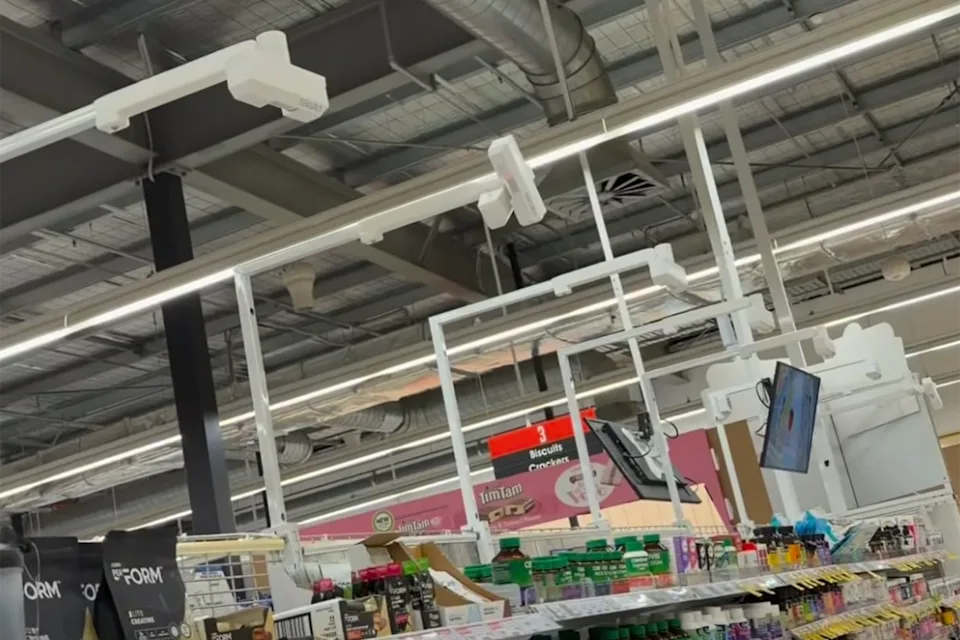
This is where things get interesting. Stores finally have tools to fight back against empty shelves. New inventory systems watch stock levels every second of every day. IoT retail solutions from companies like Blues IoT put tiny sensors all over stores to track exactly what’s selling and what’s running low. Smart systems notify managers before shelves are empty, allowing ample time for reordering.
The sensors notice patterns humans would miss. Like how thunderstorms make people buy more soup. Or why batteries fly off shelves every time the weather channel mentions hurricanes. The system learns these quirks and adjusts orders automatically. Stores using this tech see massive improvements almost overnight. Customer complaints drop. Sales go up. Employees actually smile again because they’re not constantly dealing with angry shoppers. The money spent on sensors and software comes back fast through better sales and lower emergency ordering costs.
Building Back Better Relationships
So let’s say a store really messed up. Shelves sat empty for weeks. Customers fled to competitors. How do they fix this mess? First step: stop the bleeding. Identify why shelves emptied and fix it now. Maybe the ordering system needs work. Perhaps suppliers need better contracts. Could be the forecasting method belongs in a museum. Whatever broke needs fixing before anything else matters.
Next comes the humble pie. When products do run out, be straight with customers. Tell them exactly when items will return. Show them similar products that might work. These little efforts matter more than most retailers realize. Customers notice when stores actually try to help.
The comeback takes time though. Trust returns slowly, one successful shopping trip at a time. Each week those shelves stay full, customers relax a bit more. Eventually they stop checking competitor ads. They delete those other shopping apps. But man, this process moves like molasses in January.
The Real Bottom Line

Time for some brutal math. Experts who study this stuff say stockouts cost stores three to four times more than just the lost sale. Take a $10 item that’s out of stock. The store loses more than $10.
Consider lost customers, wasted employee time, rush shipping costs, and social media complaints. The $10 loss caused a $30-$40 issue. Multiply this across hundreds of products and thousands of customers. Now we’re talking serious money bleeding out of the business. No wonder smart retailers obsess over keeping shelves full. They’ve done the math and know what empty shelves really cost.
Conclusion
Empty shelves might look like a simple problem. Just order more stuff, right? If only it worked that way. Those bare spots trigger a chain reaction that keeps causing damage for months. Shoppers drift away to competitors who keep products in stock. Workers waste time putting out fires instead of helping customers.
The store’s reputation takes hit after hit on social media and review sites. But here’s the thing. Stores that get serious about inventory management can dodge most of these problems. They invest in systems that track products automatically. They build better relationships with suppliers. They train staff to spot problems early. While competitors are freaking out about empty shelves, these stores are keeping customers pleased.
This math isn’t hard. Full shelves mean happy shoppers, everything working well, and good money. Empty shelves mean chaos, frustration, and lost customers. In today’s market with tons of options, having full shelves is more than just a smart business move. It’s survival.


